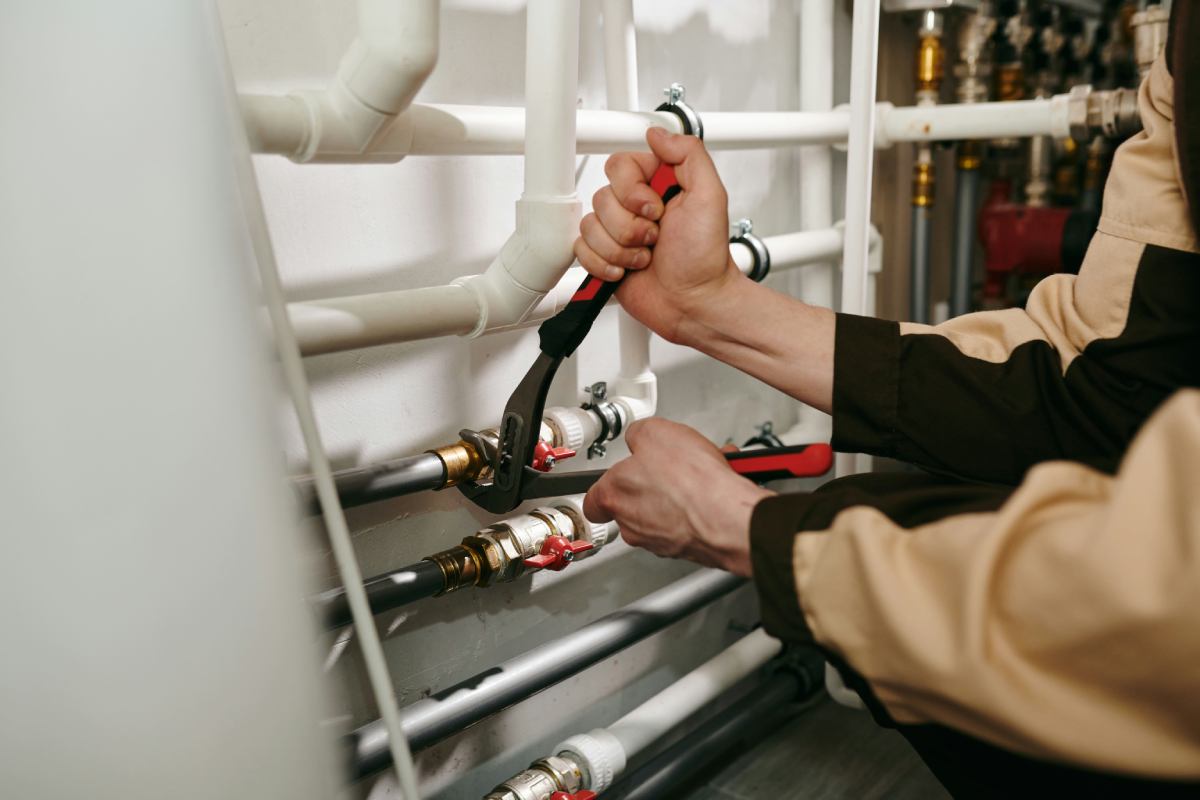
Own a home long enough, and you realize you aren’t just a resident; you’re the manager of a complex mini-utility company. From the wires behind your drywall to the pipes beneath your floorboards, your home’s systems require consistent oversight. This guide simplifies those complexities into a manageable, year-round maintenance roadmap.
The Foundation of a Functional Home
Your home is more than just four walls and a roof; it is a living ecosystem of interconnected mechanical systems. The electrical, plumbing, and HVAC (Heating, Ventilation, and Air Conditioning) networks are the “organs” of the house. When one fails, the others often feel the strain. For instance, a leaking pipe near electrical panels is a catastrophe waiting to happen, while a dusty HVAC filter can force your electrical system to work harder, driving up your monthly bills.
Understanding these systems is the first step toward true homeownership. For those looking to dive deeper into structural integrity or aesthetic upgrades, a home remodeling guide can provide additional context on how these systems integrate during a renovation. By staying ahead of routine maintenance, you protect your biggest financial investment and ensure your family remains safe and comfortable regardless of the season.
Electrical Essentials: Powering Your Life Safely
Modern homes are more power-hungry than ever. With smart devices, electric vehicles, and high-end appliances, your electrical system is likely the hardest-working part of your house.
Understanding Your Panel and Breakers
The circuit breaker panel is the brain of your electrical system. It distributes power to various “zones” and acts as a safety gate. If a circuit draws too much current, the breaker flips to prevent the wires from overheating and catching fire.
Electrical Warning Signs
You don’t need to be an electrician to spot trouble. Keep an ear and eye out for:
- Flickering lights: This often indicates a loose connection or an overloaded circuit.
- Warm outlet covers: Outlets should never feel hot to the touch.
- Buzzing sounds: Electricity should be silent; humming or crackling indicates arcing.
- Frequent trips: If you can’t use the toaster and the microwave at the same time, your panel may need an upgrade.
When planning a major kitchen or bathroom update, consulting a home remodeling guide is essential to ensure your electrical capacity matches your new high-tech appliances.
Plumbing: Managing the Flow
Plumbing is often “out of sight, out of mind” until a puddle appears on the ceiling. A proactive approach to plumbing focuses on pressure management and leak prevention.
The Main Shut-off Valve
Every person in your household should know where the main water shut-off valve is located. In the event of a burst pipe, those few seconds spent searching for the valve can mean the difference between a minor mop-up and thousands of dollars in water damage.
Water Heater Health
Most homeowners ignore their water heaters until the shower goes cold. To extend its life, you should “flush” the tank once a year to remove sediment buildup. This improves efficiency and prevents the bottom of the tank from rusting out. If you have a tankless system, descaling is equally important to maintain the heat exchanger’s performance.
HVAC: The Key to Climate and Air Quality
Your HVAC system does more than just control temperature; it manages humidity and filters the air you breathe. Neglecting it is the fastest way to invite mold growth or respiratory irritants into your living space.
Filters and Airflow
The simplest maintenance task is also the most important: change your air filters. Depending on whether you have pets or allergies, this should be done every 30 to 90 days. A clogged filter restricts airflow, putting immense pressure on the blower motor and significantly shortening the lifespan of the entire unit.
Seasonal Transitions
- Spring: Clean the outdoor condenser unit. Remove leaves, grass clippings, and debris that can block heat dissipation.
- Fall: Schedule a professional furnace inspection. A technician will check for cracked heat exchangers, which can leak dangerous carbon monoxide into your home.
The Preventive Maintenance Checklist
Consistency is the secret to avoiding emergency repair bills. Use this checklist to keep your home’s “vitals” in check throughout the year.
- Monthly: Test Smoke and Carbon Monoxide (CO) detectors. Replace HVAC filters.
- Quarterly: Check for leaks under sinks and around toilets. Inspect grout and caulk in “wet” areas to prevent subfloor rot.
- Biannually: Clean refrigerator coils to save on electricity. Test the sump pump by pouring a bucket of water into the pit.
- Annually: Flush the water heater. Inspect the attic for signs of roof leaks or pest intrusions. Have a professional tune up the AC in spring and the heater in autumn.
DIY vs. Calling a Professional
Knowing your limits is a vital part of homeownership. While bleeding a radiator or replacing a showerhead are great DIY projects, some tasks carry high stakes.
When to DIY:
- Replacing light fixtures or outlet covers (after turning off the breaker).
- Unclogging a sink with a plunger or zip tool.
- Insulate exposed pipes to prevent freezing.
When to call a Pro:
- Electrical: Any work involving the main panel, flickering lights that won’t stop, or installing new dedicated circuits.
- Plumbing: Gas line issues, main sewer line backups, or water heater replacement.
- HVAC: Handling refrigerant (which requires a license) or fixing a pilot light that won’t stay lit.
Conclusion
Managing a home’s vital systems requires a blend of vigilance and consistency. By prioritizing regular electrical inspections, plumbing leak checks, and seasonal HVAC tuning, you can prevent minor glitches from escalating into structural disasters. Use this guide as a yearly roadmap to navigate the complexities of modern homeownership. Staying proactive not only ensures a safer living environment but also preserves your property’s long-term value and efficiency for years to come.
FAQs
1. Why is my circuit breaker tripping even when I’m not using many appliances?
A tripping breaker is a safety mechanism. If it happens frequently without a heavy load, you may have a “ground fault” or a “short circuit” where a hot wire is touching a neutral or ground wire. It could also indicate a degraded breaker that has become too sensitive. In either case, this requires an inspection by a licensed electrician to prevent a potential fire.
2. How can I tell if my home has hidden plumbing leaks?
The most effective way is to conduct a “meter test.” Turn off all water sources in your home and check your water meter. Wait about two hours without using any water, then check the meter again. If the numbers have changed, you likely have a leak in the walls, under the slab, or in the irrigation system.
3. Does a higher-rated HVAC filter always mean better air quality?
Not necessarily. While high-MERV (Minimum Efficiency Reporting Value) filters catch smaller particles, they are much denser. If your HVAC system wasn’t designed for a high-density filter, it can “strangle” the airflow, causing the system to overheat or freeze up. Always check your manufacturer’s recommendations before switching to a hospital-grade filter.
4. What are the signs that my electrical outlets are outdated or unsafe?
If your outlets are the two-prong variety, they lack a dedicated ground wire, which is a safety risk for modern electronics. Additionally, if plugs feel “loose” when inserted or if you see any discoloration (scorching) around the slots, the internal contacts have worn out. These should be replaced with grounded or GFCI outlets immediately.