Your HVAC system works quietly in the background, keeping your home comfortable through sweltering summers and chilly winters. Yet when it starts to falter, the disruption is immediate and often expensive. For many homeowners, understanding when to repair and when to replace can feel overwhelming. Knowing the basics helps you make confident decisions and avoid unnecessary costs or discomfort.
If you live in a region with demanding weather like Florida, acting promptly matters. Homeowners in Naples, for instance, often turn to a trusted HVAC contractor in Naples, FL for expert guidance tailored to local conditions and building requirements.
Understanding Your HVAC System
HVAC stands for Heating, Ventilation, and Air Conditioning. It regulates temperature, improves indoor air quality, and controls humidity. A typical residential system includes a furnace or heat pump, air conditioner, ductwork, thermostat, and ventilation components. Most systems last between 10 and 15 years for air conditioners and up to 20 years for furnaces, though proper maintenance can extend this lifespan.
Modern units are far more efficient than those from even a decade ago. Today’s high-efficiency models can significantly reduce energy bills while providing better comfort. However, age alone does not determine the need for repair or replacement; performance, repair history, and rising energy costs are equally important factors.
Recognising the Warning Signs
Early detection prevents minor issues from becoming major breakdowns. Listen for unusual noises such as grinding, squealing, or banging, which often signal mechanical problems. Weak airflow from vents, inconsistent temperatures between rooms, or higher-than-normal energy bills frequently indicate trouble.
Other red flags include frequent cycling (the system turning on and off rapidly), strange odours, visible leaks around the indoor unit, or ice formation on coils. If your thermostat seems accurate but rooms remain uncomfortable, the issue may lie deeper within the system. Ignoring these signs can lead to complete failure at the worst possible time, such as during a heatwave or cold snap.
Repair or Replacement: How to Decide
One of the most common dilemmas homeowners face is whether to invest in repairs or opt for a full replacement. The “rule of thumb” many professionals use is straightforward: if the repair cost exceeds half the price of a new system, and the unit is more than eight to ten years old, replacement often makes better financial sense.
Consider the age and efficiency of your current system. An older, inefficient unit might cost more to run each month than a modern replacement would over several years. Factor in environmental impact too; newer systems use eco-friendlier refrigerants and consume less electricity.
Repair is usually the right choice for newer systems with isolated problems, such as a faulty capacitor, clogged filter, or minor refrigerant leak. However, repeated repairs on an aging system can quickly add up, making replacement the more cost-effective long-term option. A professional assessment provides clarity based on your specific setup rather than general rules.
What to Expect During HVAC Repair
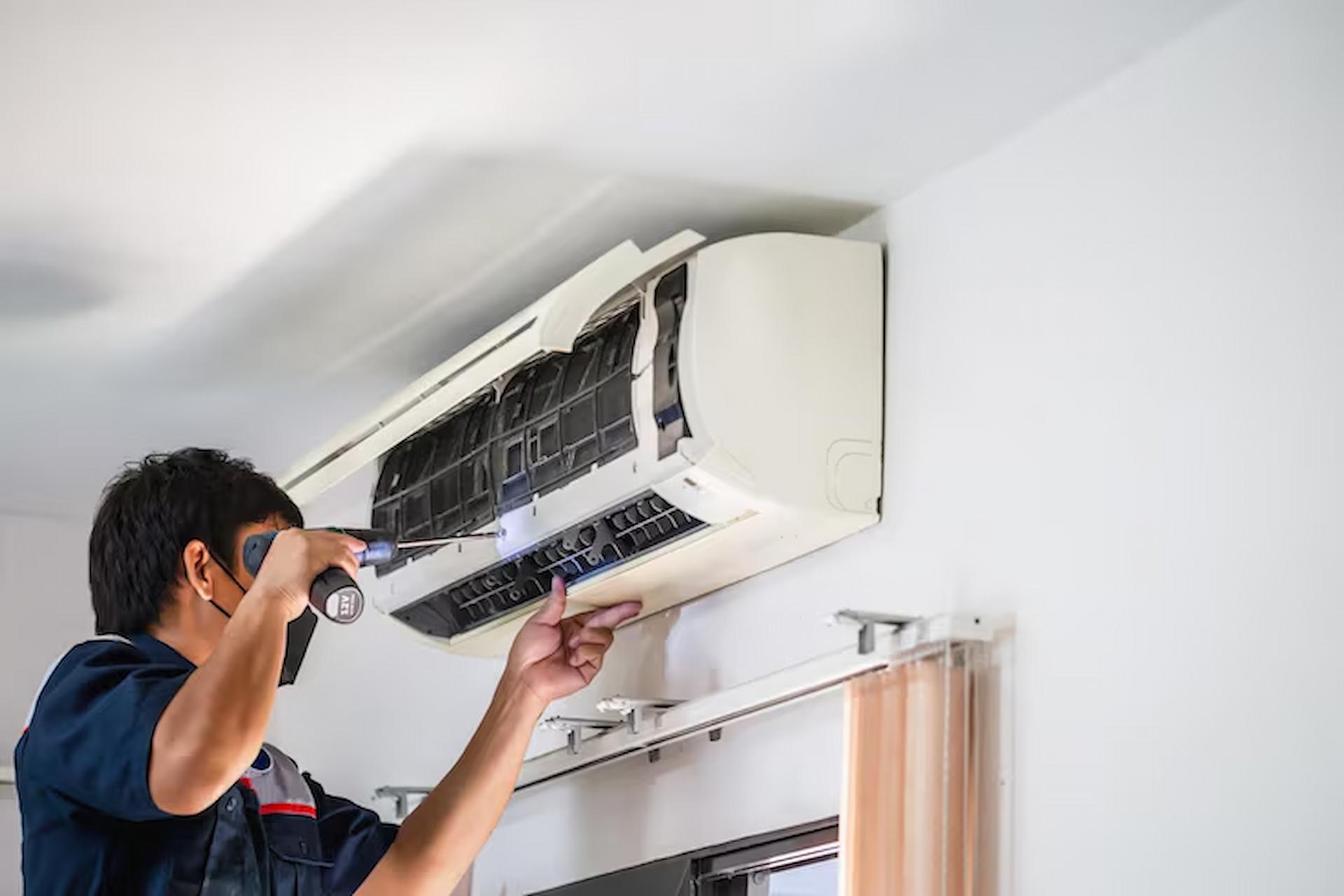
Professional repairs typically begin with a thorough diagnostic inspection. Technicians check electrical components, refrigerant levels, airflow, and mechanical parts. Common repairs include fixing or replacing the compressor, evaporator or condenser coils, blower motors, and thermostats.
The process varies in duration. Minor fixes might take just a few hours, while more complex issues could require a full day or follow-up visits. Reputable technicians explain the problem clearly, provide transparent pricing upfront, and discuss preventive measures to avoid future breakdowns.
The Case for Timely Replacement
Replacing an HVAC system represents a significant investment, but the benefits are substantial. New units deliver superior energy efficiency, often cutting heating and cooling costs by 20 to 40 percent. They also offer improved humidity control, quieter operation, and enhanced air filtration that benefits families with allergies or respiratory concerns.
Modern systems come with smart technology options, allowing remote control via smartphone apps and integration with home automation systems. Many also qualify for manufacturer rebates or government incentives aimed at promoting energy-efficient upgrades.
Installation quality matters as much as the equipment itself. Proper sizing is critical; an oversized unit cycles too frequently and fails to dehumidify effectively, while an undersized system struggles to maintain comfortable temperatures.
Maintenance: Your Best Defence
Regular maintenance dramatically reduces the likelihood of emergency repairs or premature replacement. Schedule professional tune-ups at least twice a year, ideally before the peak cooling and heating seasons. Technicians will clean coils, check refrigerant levels, inspect electrical connections, and ensure everything operates safely and efficiently.
Between professional visits, homeowners can take simple steps: replace air filters monthly during heavy use, keep outdoor units clear of debris, and ensure return vents remain unobstructed. These habits extend equipment life and maintain peak performance.
Choosing the Right Professional
Not all service providers offer the same level of expertise or reliability. Look for licensed, insured technicians with strong local reputations and manufacturer certifications. Experience with your specific system type and brand adds significant value.
Reading recent customer reviews, asking about warranties on both parts and labour, and requesting detailed written estimates help you make an informed choice. A quality contractor will also offer maintenance plans that include priority service and discounted repairs, providing peace of mind throughout the year.
Planning for the Future
Understanding your HVAC system empowers you to act decisively rather than react in panic when problems arise. Whether you need a straightforward repair or are considering a complete upgrade, knowledge of warning signs, decision factors, and maintenance best practices helps protect your home’s comfort and your family’s wellbeing.
Investing time and resources into proper HVAC care pays dividends in lower energy bills, improved indoor air quality, and greater reliability. By staying proactive, homeowners can enjoy consistent comfort for years while avoiding costly surprises.
In the end, your HVAC system is more than just machinery; it is essential to creating a safe, comfortable living environment. Treat it with the attention it deserves, and it will serve your household reliably season after season.