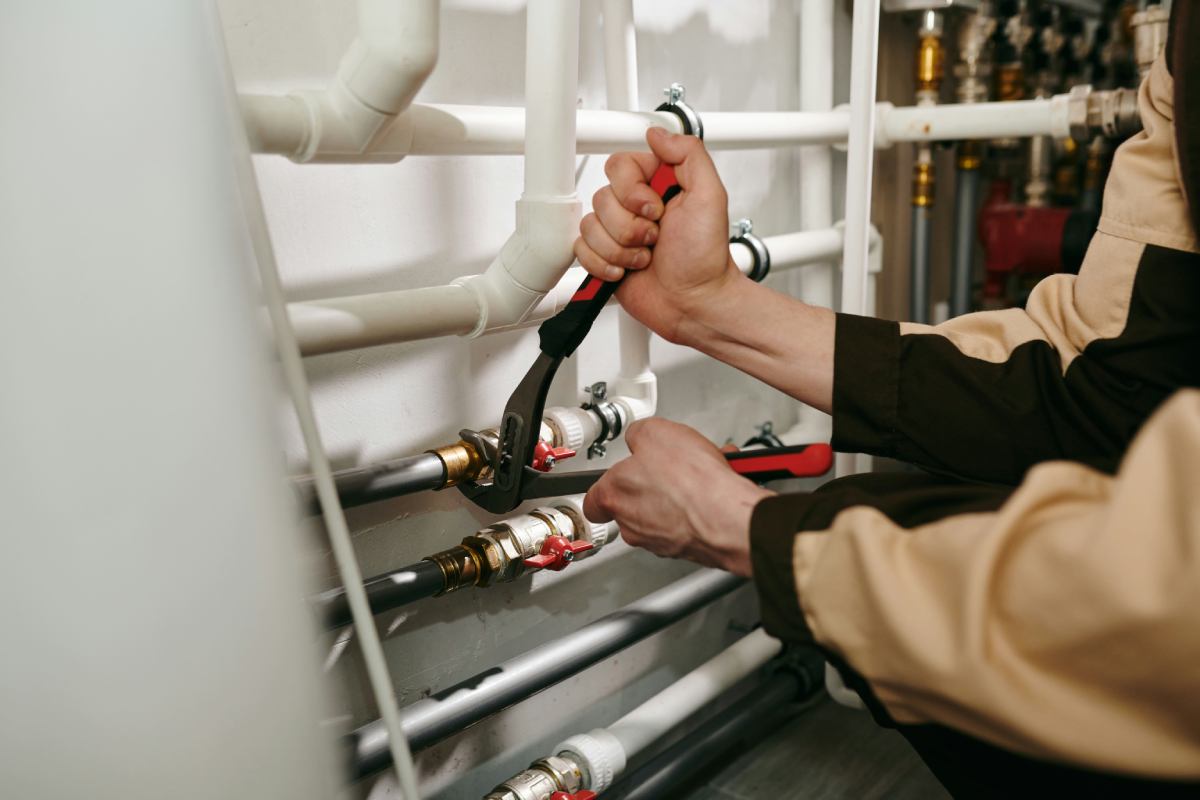
Hiring the right contractor can make or break your home investment. From confusing quotes to hidden costs and unreliable service, homeowners face real risks. This guide breaks down what truly matters—so you can choose wisely, avoid costly mistakes, and feel confident about every decision before signing a contract.
Introduction
Major home repairs and system upgrades aren’t just financial commitments—they’re decisions that impact your comfort, safety, and long-term property value. Whether you’re replacing an HVAC system, upgrading electrical components, or installing filtration systems, choosing the right contractor can feel overwhelming. The stakes are high, and the details matter more than most homeowners realize.
Many people jump into agreements based on price alone, only to face poor workmanship, unexpected maintenance issues, or inflated long-term costs. Working with home improvement contractors requires more than comparing estimates—it demands understanding what you’re paying for and how it affects your home over time.
Understanding Contractor Quotes Beyond the Price
What’s Included in a Quote?
A contractor’s quote should never be a single number without context. It should clearly outline labor, materials, equipment specifications, permits, and timelines. For example, an HVAC installer should specify the unit size, efficiency rating (SEER), brand, and ductwork adjustments if needed.
When comparing quotes, look for transparency. A lower estimate might exclude critical components like electrical upgrades or system balancing, which can add costs later. Always ask for a breakdown and clarification of anything unclear.
Why Cheap Isn’t Always Better
Low bids often signal shortcuts—subpar materials, rushed installations, or lack of proper licensing. A poorly installed system can lead to higher energy bills, frequent breakdowns, and reduced lifespan. In the long run, paying slightly more upfront for quality work usually results in lower lifetime costs.
Warranties: Your Safety Net
Types of Warranties to Look For
Contractor warranties generally fall into two categories: manufacturer warranties and workmanship guarantees. Manufacturer warranties cover equipment defects, while workmanship warranties protect against installation errors.
Make sure you understand the duration and coverage of both. For example, some HVAC systems offer 10-year manufacturer warranties, but only if installed by certified professionals.
The Fine Print Matters
Not all warranties are equal. Some require regular maintenance to remain valid, while others exclude labor costs for repairs. Clarify these terms before committing, especially when working with home improvement contractors who may bundle warranty options into their packages.
Installation Quality: The Hidden Factor
Why Installation Matters More Than Equipment
Even the best equipment will underperform if installed incorrectly. HVAC systems, for instance, rely heavily on precise sizing, airflow calibration, and proper sealing. A poorly installed system can lose up to 30% efficiency.
Ask contractors about their installation process. Do they perform load calculations? Do they test airflow and system performance after installation? These details separate professionals from amateurs.
Certifications and Experience
Look for contractors with relevant certifications and proven experience. HVAC installers should follow industry standards like Manual J calculations, while electrical contractors should comply with local codes and safety regulations.
Maintenance Needs and Long-Term Planning
Think Beyond Installation Day
Every system requires maintenance. HVAC units need seasonal servicing, filtration systems require filter replacements, and appliances may need periodic inspections.
Before hiring, ask about ongoing maintenance requirements. Does the contractor offer service plans? Are replacement parts easily available? Understanding these factors helps you plan for the future and avoid surprises.
Energy Efficiency and Sustainability
Modern systems often come with energy-efficient features that reduce utility bills and environmental impact. While these may cost more initially, they typically offer better long-term value. Contractors should be able to explain efficiency ratings and how they translate into real savings.
Financing Options and Total Lifetime Cost
Evaluating Financing Plans
Many contractors offer financing options to make large projects more manageable. While this can be helpful, it’s important to understand interest rates, payment terms, and any hidden fees.
Avoid focusing solely on monthly payments. Instead, calculate the total cost over time, including interest and maintenance expenses.
Lifetime Cost vs. Upfront Cost
A cheaper system with higher maintenance needs and lower efficiency can end up costing more over its lifespan. Always evaluate the total lifetime cost, including energy consumption, repairs, and replacement timelines.
Questions Every Homeowner Should Ask
Before signing any contract, ask these essential questions:
- What licenses and certifications do you hold?
- Can you provide references from recent projects?
- What is included in the quote, and what might cost extra?
- How long will the project take, and what is the timeline?
- What warranties do you offer on both equipment and labor?
- Do you provide post-installation support or maintenance plans?
These questions help you gauge professionalism, transparency, and reliability.
Common Red Flags to Watch Out For
Warning Signs You Shouldn’t Ignore
- Vague or incomplete estimates
- High-pressure sales tactics
- Lack of proper licensing or insurance
- No written contract or unclear terms
- მოთხოვ for large upfront payments
- Poor communication or delayed responses
Trust your instincts. If something feels off, it’s worth exploring other options.
Specialized Contractors: What to Know
HVAC Installers
HVAC systems are complex and require precise installation. Look for contractors who perform detailed assessments, including load calculations and duct inspections. Avoid those who recommend replacements without evaluating your current system.
Filtration Specialists
Water and air filtration systems vary widely in quality and performance. Specialists should test your home’s specific needs before recommending solutions. Generic systems may not address your unique requirements.
Appliance Providers
When installing major appliances, ensure the contractor handles proper connections, ventilation, and safety checks. Improper installation can void warranties and create safety hazards.
Conclusion
Choosing the right contractor requires careful evaluation, clear communication, and attention to detail. By understanding quotes, warranties, installation quality, and long-term costs, homeowners can make informed decisions that protect their investment. Taking the time to ask the right questions and recognize red flags ensures a smoother experience and better results for years to come.
FAQs
- How can I verify if a contractor is properly licensed?
Check with your state or local licensing authority. Most regions provide online databases where you can search by name or license number to confirm validity and status. - What should I look for in a contractor’s past work?
Review completed projects similar to yours, paying attention to quality, attention to detail, and customer feedback. Ask for photos and, if possible, visit a completed site. - How do I ensure clear communication during the project?
Establish expectations upfront, including regular updates, preferred communication methods, and a point of contact. Written agreements help avoid misunderstandings.
4. Why is a written contract important before starting work?
A written contract outlines scope, timelines, costs, and responsibilities. It protects both parties and ensures accountability throughout the project.