Investing in your home’s core systems shouldn’t feel like a gamble. From HVAC units to water filtration, making the right choice saves thousands in long-term costs. This guide strips away the technical jargon, offering clear, expert-led advice on selecting reliable home systems that provide comfort, efficiency, and total peace of mind.
The Homeowner’s Dilemma: Navigating Essential System Upgrades
For most homeowners, the inner workings of the house are “out of sight, out of mind”—until something breaks. When the furnace dies in mid-January or the water heater springs a leak, the pressure to make a quick decision is immense. Unfortunately, rushed choices often lead to oversized units, poor energy efficiency, and frequent repairs.
Understanding how to evaluate your home’s mechanical systems is about more than just picking a brand name. It’s about assessing the total cost of ownership and ensuring the installation quality matches the equipment’s potential. Whether you are building a new home or upgrading an ageing property, choosing the Right HVAC System is the first step toward a more comfortable and sustainable living environment. By focusing on durability and performance over the lowest upfront price, you secure your investment for the next decade or more.
HVAC Systems: Heating and Cooling Your Sanctuary
The HVAC system is the lungs of your home. It regulates temperature, controls humidity, and filters the air you breathe. When shopping for air conditioners and furnaces, don’t get lost in the marketing fluff. Focus on these three pillars:
Energy Ratings and Efficiency
You will encounter several acronyms, but two matter most: SEER2 (Seasonal Energy Efficiency Ratio) for cooling and AFUE (Annual Fuel Utilization Efficiency) for heating. A higher SEER2 rating means the unit uses less electricity to cool your home, while a high AFUE percentage indicates how much fuel is converted into heat versus wasted. While high-efficiency units cost more upfront, the monthly utility savings often pay for the difference within a few years.
Proper Sizing is Critical
One of the most common mistakes is “oversizing.” A contractor might tell you that a bigger unit is better, but an oversized AC will cycle on and off too frequently (short-cycling). This prevents the system from properly dehumidifying your home and leads to premature mechanical failure. A reliable technician should always perform a Manual J Load Calculation to determine the exact size required for your specific floor plan.
Plumbing and Water Systems: The Lifeblood of the Home
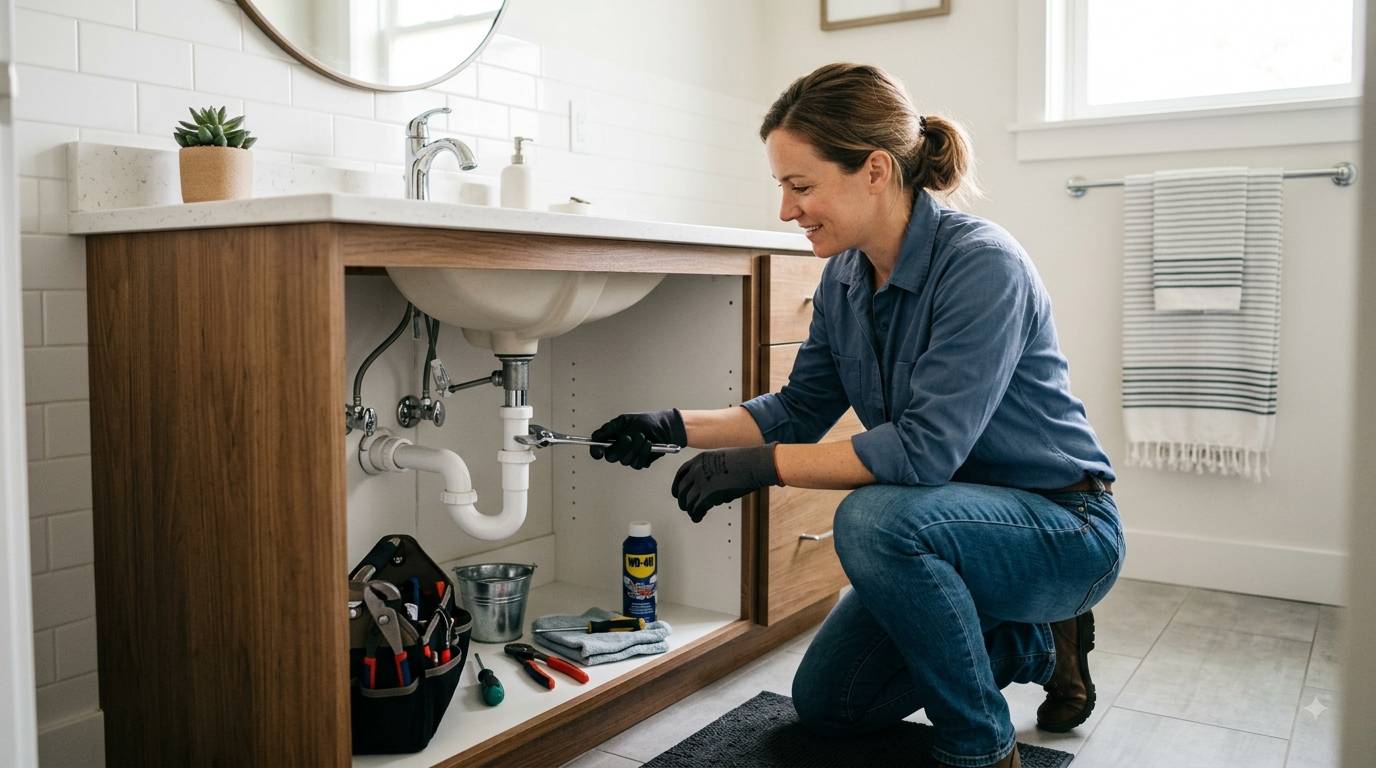
Reliable plumbing extends far beyond leak-free pipes. It involves the systems that treat, heat, and move water throughout your property. When these systems fail, the damage can be catastrophic, making it vital to prioritize reliability. Selecting a High-Quality Water Heater is an essential part of this process, as modern options like tankless units offer endless hot water and superior energy savings compared to traditional tanks.
Water Filtration and Softening
Hard water—water with high mineral content—is a silent killer for your appliances. It causes scale buildup in pipes, dishwashers, and laundry machines. A whole-home filtration system or water softener protects your plumbing investment, improves skin health, and ensures your drinking water is free from contaminants.
Sump Pumps: Your First Line of Defense
If your home has a basement or crawlspace, the sump pump is arguably your most important piece of equipment. When choosing one, look for cast-iron housing rather than plastic for better heat dissipation and longevity. Always opt for a battery backup system; most sump pumps fail during heavy storms when the power is most likely to go out.
The Intelligence of the Modern Home: Smart Thermostats
A smart thermostat is the “brain” that coordinates your HVAC efforts. Beyond just allowing you to change the temperature from your phone, these devices learn your habits and adjust settings to save energy when you are away. Look for models that offer “geofencing” and HVAC monitoring alerts, which can notify you if the system is behaving strangely before a total breakdown occurs.
Essential Questions to Ask Your Contractor
Before signing a contract or handing over a deposit, put your prospective installer to the test. A reputable professional will welcome these questions:
- Can you show me a Load Calculation? Avoid any contractor who uses “rules of thumb” to size your unit based solely on square footage.
- What does the labor warranty cover? Manufacturers cover parts, but the contractor covers the labor. A one-year labor warranty is standard, but top-tier installers often offer five to ten years.
- Are you licensed, bonded, and insured in this state? This protects you from liability if an accident occurs on your property.
- Will you handle the permit process? Major HVAC and plumbing work requires local permits. If a contractor asks you to pull the permit yourself, it’s a red flag.
- What is the expected maintenance schedule? Every system requires a tune-up; knowing the cost and frequency helps you calculate the total cost of ownership.
Evaluating Total Cost of Ownership (TCO)
The sticker price of a new furnace or water heater is only a fraction of the story. To make a smart investment, you must consider the TCO, which includes:
- Installation Costs: Poor installation can reduce a unit’s efficiency by 30%.
- Monthly Utility Bills: Higher efficiency ratings lower these costs.
- Maintenance Requirements: Some high-end systems require specialized (and expensive) filters or proprietary parts.
- Expected Lifespan: A cheaper unit that lasts 10 years is more expensive than a premium unit that lasts 20.
Conclusion
Investing in home systems requires a balance of technical awareness and long-term vision. By prioritizing proper sizing, high energy ratings, and professional installation, you avoid the pitfalls of “emergency” buying. Reliable HVAC, plumbing, and water systems don’t just add value to your property; they provide the daily comfort and safety that make a house a home. Taking the time to vet contractors and understand your home’s specific needs ensures your investment remains sound for years to come.
FAQs
How do I know whether to repair my current system or replace it entirely?
A good rule of thumb is the “5,000 Rule.” Multiply the age of the unit by the estimated repair cost. If the total exceeds $5,000, replacement is generally the smarter financial move. Additionally, if the system uses outdated refrigerants like R-22, which are no longer produced, a replacement is often inevitable.
What is the most important factor in the longevity of an HVAC system?
While brand quality matters, the quality of the initial installation is the single most important factor. Even the most expensive, high-efficiency unit will fail prematurely if the ductwork is poorly sized, the refrigerant charge is incorrect, or the electrical connections are unstable.
Do smart thermostats actually save enough energy to justify their cost?
Yes, most homeowners see a return on investment within one to two years. By automatically adjusting temperatures when the house is empty and providing data on energy usage patterns, these devices typically reduce heating and cooling bills by 8% to 12%.
Is a tankless water heater better than a traditional tank model?
It depends on your household’s needs. Tankless heaters provide endless hot water and take up less space, but they require more intensive annual maintenance (like flushing minerals) and often necessitate upgrades to your gas lines or electrical panel during the initial installation.