Small plumbing problems rarely stay small. A slow drip, a sluggish drain, or an ignored water heater can quietly waste water, raise utility bills, and eventually lead to costly damage. Consistent, simple maintenance prevents most of these issues and keeps daily routines uninterrupted. Homeowners who stay ahead of routine care often find that reliable plumbing for Mobile County homes depends as much on regular attention as on professional repairs when something finally fails.
The habits below require little time or special skill, yet they protect pipes, fixtures, and appliances from premature wear. Building them into a monthly or seasonal routine delivers noticeable results without major expense.
Inspect for Leaks Regularly
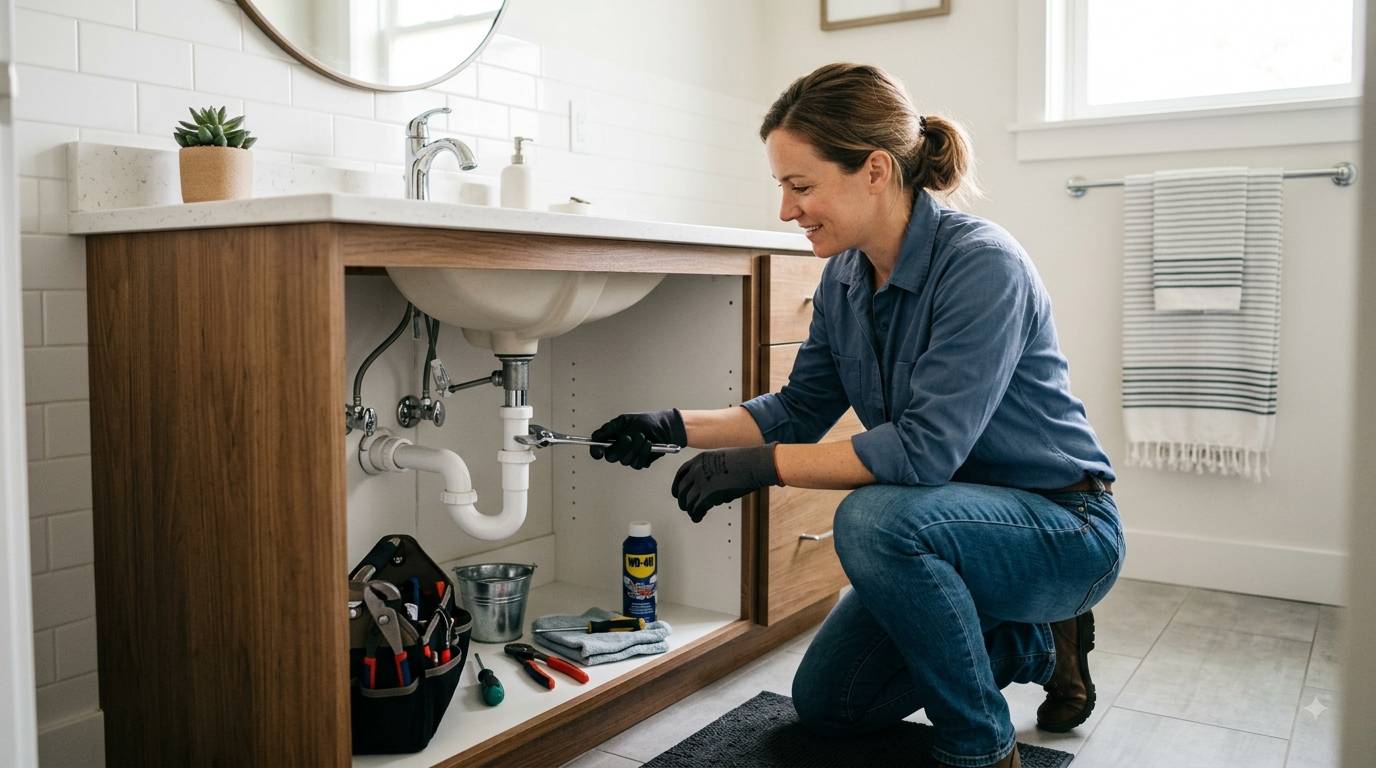
Hidden leaks waste water and can damage walls, floors, and ceilings long before they become obvious. Once a month, check under sinks, around toilets, near the water heater, and at visible pipe connections for moisture, mineral deposits, or discoloration. A dry paper towel wiped along joints quickly reveals seepage.
Monitor the water meter as well. Turn off all fixtures and appliances, then watch the meter for several minutes. Movement indicates a leak somewhere in the system. Catching these problems early limits water loss and prevents the structural issues that follow prolonged moisture exposure.
Keep Drains Flowing Freely
Kitchen and bathroom drains collect grease, soap scum, hair, and food particles that gradually restrict flow. Avoid pouring grease or oil down the kitchen sink; instead, collect it in a container for disposal. Use a simple drain screen in showers and tubs to catch hair before it enters the pipes.
Once a month, flush drains with hot water. For deeper cleaning, a mixture of baking soda followed by vinegar can help loosen mild buildup. Avoid repeated use of harsh chemical drain cleaners, which can corrode pipes over time. When a drain remains slow after basic cleaning, mechanical removal of the clog is usually safer and more effective.
Maintain Faucets and Fixtures
Dripping faucets waste gallons of water each day and often signal a worn washer, O-ring, or cartridge. Replacing these inexpensive parts restores proper function and stops the drip. Aerators at the tip of faucets also collect mineral deposits that reduce flow and create uneven spray. Unscrew them periodically, soak in vinegar, and rinse to restore full performance.
Check supply lines under sinks and toilets for signs of corrosion or bulging. Flexible stainless-steel lines generally last longer than older rubber ones, but they still benefit from visual inspection every few months. Tighten any loose connections carefully to avoid over-tightening and cracking.
Care for Toilets
Toilets are among the most frequent sources of hidden water waste. A running toilet can use hundreds of gallons per day. Listen for the sound of water continuing to flow after a flush, or perform a simple dye test: place a few drops of food coloring in the tank and wait 15 minutes without flushing. Color appearing in the bowl indicates a leaking flapper that needs replacement.
Avoid using the toilet as a trash can. Dental floss, wipes labeled “flushable,” and other non-degradable items create stubborn clogs and strain the sewer line. Keeping a small wastebasket nearby encourages proper disposal and protects the plumbing system.
Service the Water Heater
Sediment buildup at the bottom of a tank-style water heater reduces efficiency and shortens its lifespan. Draining a few gallons from the tank once or twice a year removes much of this sediment. Follow the manufacturer’s instructions, and allow the tank to cool before beginning.
Check the temperature setting as well. A setting of 120°F provides adequate hot water for most households while reducing the risk of scalding and lowering energy use. Inspect the pressure relief valve periodically to ensure it operates freely, and look for any signs of rust or moisture around the base of the unit.
Protect Outdoor Plumbing
Outdoor faucets and hose bibs face temperature swings and physical wear. Before cold weather arrives, disconnect hoses and drain the lines to prevent freezing and pipe bursts. Install insulated covers on exposed faucets for added protection.
During warmer months, check outdoor spigots for drips and ensure the packing nut remains snug. A small leak at an exterior faucet can waste significant water over a season and create muddy or eroded areas near the foundation.
Watch Water Pressure and Unusual Sounds
Excessively high water pressure stresses pipes, fixtures, and appliances. If faucets blast water with excessive force or pipes rattle when valves close, a pressure-reducing valve may need adjustment or replacement. Most homes operate best between 40 and 80 psi.
Strange noises—banging, whistling, or gurgling—also deserve attention. Water hammer often results from loose pipes or the need for arrestors. Gurgling drains can signal venting problems or a developing clog further down the line. Addressing these sounds early prevents more serious failures.
Know When Professional Help Is Needed
Routine maintenance handles many common issues, yet certain problems require trained diagnosis. Persistent low water pressure throughout the house, recurring clogs in multiple drains, discolored water, or any sign of a major leak behind walls call for professional evaluation. Attempting complex repairs without proper tools or knowledge can worsen the damage.
Documenting maintenance dates and noting any changes in performance helps a technician diagnose issues faster when service becomes necessary.
Everyday attention keeps plumbing systems reliable and efficient. Checking for leaks, clearing drains, maintaining fixtures, caring for the water heater, and protecting outdoor lines prevent the majority of common failures. These small, consistent habits reduce water waste, lower utility costs, and extend the life of pipes and appliances. A home that receives regular plumbing care simply runs more smoothly, day after day, with fewer interruptions and unexpected expenses.
Conclusion
Applying everyday plumbing maintenance tips delivers lasting benefits that go far beyond convenience. Regular leak detection, drain cleaning, faucet and toilet care, water heater flushing, and outdoor plumbing protection prevent water waste, stop minor issues from becoming major failures, and extend the life of your entire plumbing system.
Consistent attention to these essential tasks lowers utility bills, safeguards your home against moisture damage, and ensures dependable performance from sinks, showers, and appliances. By making basic plumbing maintenance part of your routine, you create a more efficient, reliable, and problem-free home water system that continues to operate smoothly for years.