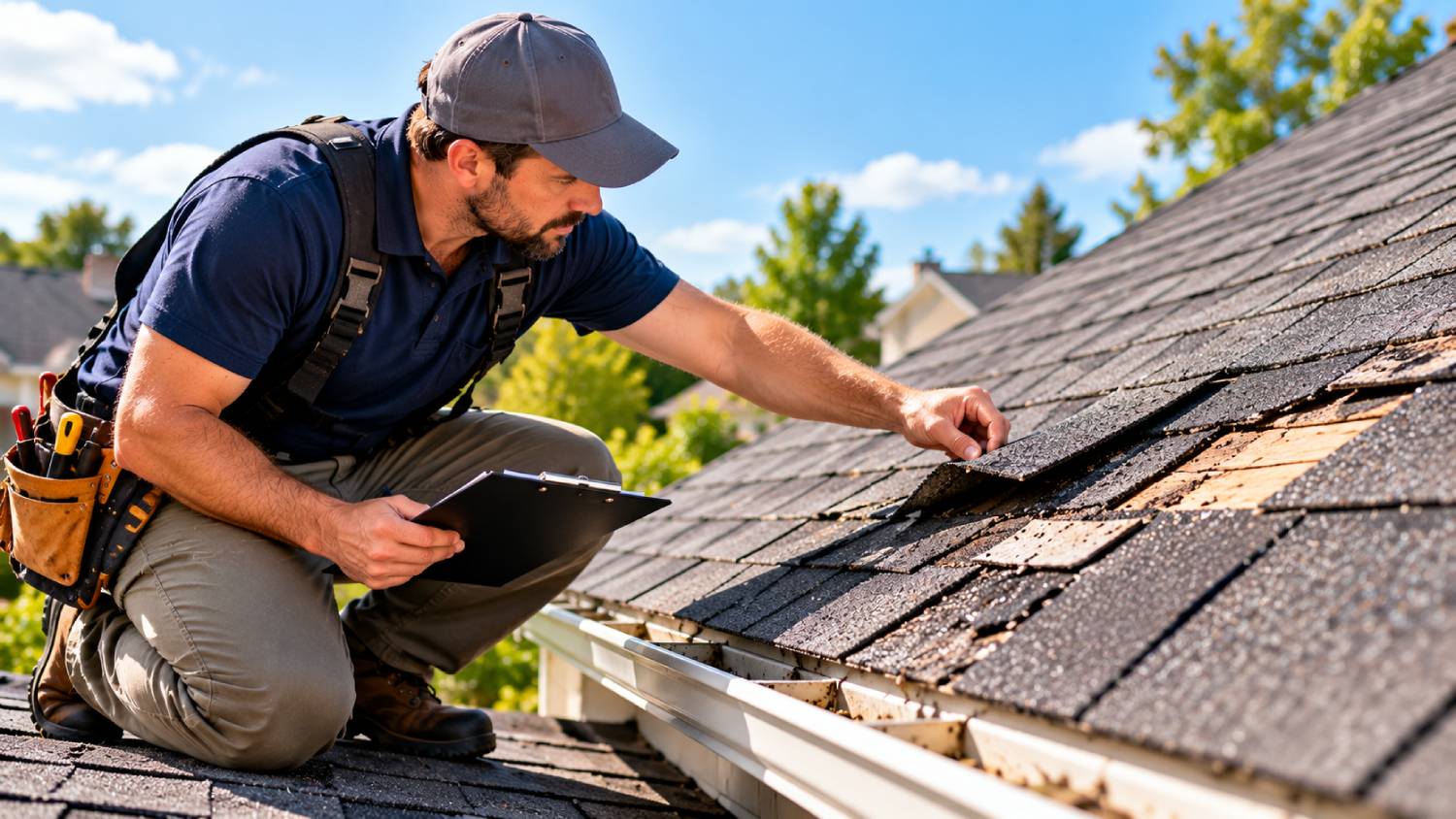
Your roof is the primary shield protecting your home from severe weather, heavy rain, and harsh sunlight. Over time, constant exposure to the elements causes normal wear and tear that can compromise structural integrity. Ignoring minor roof damage often allows small issues to escalate into extensive water leaks, mold growth, and costly structural repairs. Learning to spot early signs of damage helps you protect your home before small defects become major financial burdens.
When seeking assistance from experienced roofers clearwater fl residents rely on professional inspections to identify underlying vulnerabilities early. Local roofing systems face intense heat, high humidity, and strong windstorms, making proactive maintenance essential. Partnering with a licensed contractor ensures your roof receives timely repairs tailored to coastal weather demands, extending the lifespan of your roofing materials and maintaining indoor comfort.
Roof Leaks and Missing or Damaged Shingles
Roof leaks represent one of the most urgent issues a homeowner can face. Water can seep through small cracks or gaps around flashing and travel along attic rafters before revealing itself on ceilings or walls as dark stains. Leaving a leak unaddressed invites wood rot, ceiling collapse, and unhealthy mold growth inside your living space. Regular attic checks for damp insulation or daylight shining through boards can help you catch leaks before significant water damage occurs.
Missing, cracked, or curling shingles are major contributors to unexpected leaks and structural degradation. Strong wind gusts can lift unsealed shingles, while intense sun exposure causes asphalt shingles to dry out, warp, or lose their protective granules. Hiring qualified roofers clearwater fl homeowners trust allows you to replace damaged shingles quickly and preserve the protective barrier across your entire roof deck.
Damaged Flashing and Clogged Gutter Systems
Roof flashing consists of thin metal sheets installed around chimneys, skylights, vent pipes, and roof valleys to divert water away from critical seams. Over time, temperature fluctuations cause flashing to expand, contract, loosen, or corrode, leaving vulnerable gaps where water can easily enter. Inspecting these high-risk areas after severe storms ensures that loose or rusted flashing is resealed or replaced before moisture penetrates your home.
Clogged or sagging gutters present another serious threat to your roofing structure. When leaves, twigs, and debris block the flow of rainwater, water backs up along the roof edge and seeps beneath the bottom layer of shingles. Cleaning your gutters regularly prevents standing water from rotting the fascia boards, damaging roof soffits, and causing foundation erosion around your property.
Sagging Roof Decks and Moss or Algae Growth
A sagging roofline is a clear indicator of severe structural distress that requires immediate professional evaluation. This problem usually stems from prolonged exposure to trapped moisture, which rots the wooden rafters and decking supporting your roof covering. In other cases, excess structural weight or improper original construction compromises the integrity of the support system, making prompt structural repair essential for household safety.
Dark streaks, moss, and algae growth on shingles are common in humid environments and should never be dismissed as merely cosmetic flaws. Moss holds moisture directly against the shingle surface, causing the edges to curl and lifting them away from the roof deck during freezing or windy conditions. Removing organic growth using approved cleaning treatments preserves shingle integrity and prevents moisture from degrading the underlying roof structure.
Essential Maintenance Steps for Homeowners
Taking proactive steps helps prevent major roofing failures and extends the overall life of your roof structure:
- Schedule Inspections: Have a professional inspect your roof at least once a year and after major tropical storms.
- Trim Nearby Trees: Keep overhanging branches trimmed back to prevent physical impact damage and reduce leaf accumulation in gutters.
- Check Attic Ventilation: Ensure proper air circulation in your attic to prevent heat buildup and moisture condensation beneath the roof deck.
- Clear Roof Debris: Safely remove accumulated leaves, branches, and dirt from roof valleys to maintain unimpeded water flow.
The Importance of Professional Inspections
While visual checks from the ground are helpful, a comprehensive inspection by a trained professional is indispensable. Experienced inspectors have the safety equipment and technical knowledge required to detect hidden moisture traps, subtle shingle degradation, and flashing flaws that are invisible from ground level. Professional assessments provide a clear understanding of your roof’s actual condition so you can make informed repair decisions.
Investing in minor repairs as soon as problems are detected saves money over the lifespan of your roof. Timely maintenance prevents small leaks from compromising internal drywall, electrical wiring, and structural framing. Establishing a routine maintenance schedule gives you confidence that your roof will continue to protect your family and belongings through every season.
Conclusion
Recognizing common roofing issues like leaks, damaged shingles, flashing defects, clogged gutters, structural sagging, and organic growth is vital for maintaining your home. Addressing these warning signs promptly prevents minor defects from developing into complex, high-cost structural repairs. Regular maintenance and attentive care remain your best defense against premature roof failure caused by continuous environmental exposure.
Protecting your roof means protecting your entire property investment, indoor air quality, and overall safety. By staying proactive, scheduling professional inspections, and addressing damage without delay, you ensure your roof remains durable and resilient. Timely care keeps your home safe, comfortable, and well-protected against severe weather for years to come.