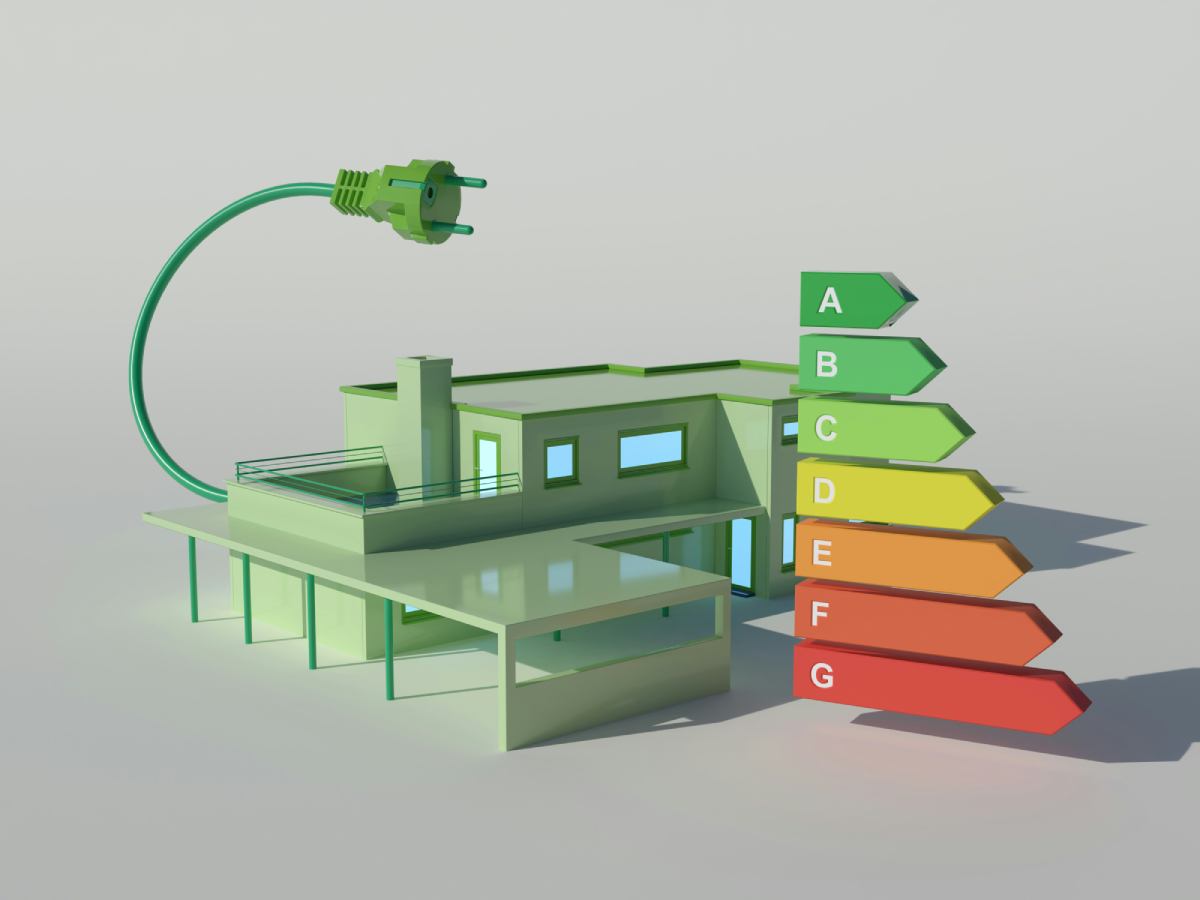
Tired of skyrocketing utility bills and a guilty conscience about your carbon footprint? Unlock the ultimate home energy efficiency blueprint with simple tweaks and smart upgrades. Cut costs, boost comfort, and go green—without hassle or sacrifice. Your smarter home starts here.
Introduction
Your home hums with hidden energy drains—drafty windows, outdated bulbs, a thermostat fighting the seasons. Fixing them isn’t just smart; it’s essential. With U.S. households averaging $2,000 per year on utilities, optimizing home energy efficiency slashes bills by up to 20% while reducing your environmental impact. This blueprint walks you through proven steps, from quick DIY wins to game-changing investments. Whether a renter or an owner, low-budget or high-budget, you’ll gain actionable tools for year-round savings and comfort.
Home energy efficiency begins with understanding your baseline. Grab your latest utility bill and use free online calculators from ENERGY STAR to benchmark usage.
Audit Your Home: Spot the Leaks
Start with a no-cost energy audit. Walk your space with a flashlight on windy days, hunting drafts around doors, outlets, and vents. Feel for cold spots? That’s money escaping.
Sealing Air Leaks: The Quickest Win
Caulk gaps and weather-strip doors—DIY in an afternoon. The U.S. Department of Energy estimates this alone cuts heating costs 10-20%. Pro tip: Use expanding foam for larger cracks.
Upgrade Insulation for Year-Round Control
Insulation traps heat in winter and cool air in summer, stabilizing temps effortlessly.
Home energy efficiency skyrockets with attic upgrades. Aim for R-49 in northern climates per IECC standards. Blow-in cellulose costs little and pays for itself in 2 years through 15% lower bills.
Walls and Floors: Don’t Overlook Hidden Spots
Add rigid foam boards under floors or behind knee walls. In humid areas, pair with vapor barriers to prevent mold.
Lighting and Appliances: Swap for Stars
Ditch incandescent for LEDs—they use 75% less energy and last 25x longer.
Smart Appliances and Phantom Loads
Hunt “vampire” power from chargers and TVs with a Kill-A-Watt meter. Unplug or use smart strips. ENERGY STAR fridges save $200 yearly; washers, $100.
HVAC Optimization: The Big kahuna
Your heating, ventilation, and air conditioning system accounts for 48% of your home’s energy use. Tune it right, save big.
Replace filters monthly and schedule annual tune-ups. Programmable thermostats adjust for absences, trimming 10% off bills.
Smart Thermostats: AI for Your Climate
Nest or Ecobee learns habits and auto-adjusts. One user reported 12% winter savings by pre-heating arrivals.
Windows and Doors: Let In Light, Not Loss
Single-pane glass leaks heat like a sieve. Double- or triple-pane with low-E coatings block UV while retaining views.
Seasonal Strategies
Winter: Heavy drapes at night. Summer: Shades block peak sun. Spring/fall: Cross-ventilate to skip AC.
Renewable Boost: Solar and Beyond
For max impact, add panels. A 5kW system offsets 70% of usage, per NREL data, with incentives speeding payback.
Storage and Efficiency Pairing
Batteries like Tesla Powerwall store excess for evenings, amplifying grid independence.
Bullet-Point Action Plan: Your Efficiency Checklist
Tackle these in order for momentum:
- Week 1: Audit leaks, seal with caulk ($20 kit), swap bulbs (LEDs under $2 each).
- Month 1: Insulate attic, install smart thermostat (app-guided setup).
- Quarter 1: Service HVAC, unplug phantoms, and add weather-stripping.
- Year 1: Upgrade windows or appliances during sales; explore solar quotes.
- Ongoing: Track bills monthly, adjust for seasons (e.g., ceiling fans counterclockwise in summer).
Real example: A Midwest family sealed leaks, added insulation, and went LED—bills dropped $450/year, with comfort soaring.
Advanced Tweaks for Power Users
Water heating accounts for 18% of energy use. Insulate pipes and lower to 120°F. Low-flow showerheads save gallons without weak pressure.
Pair with heat pump water heaters for 60% efficiency gains over standard models.
Long-Term Payoff: Savings and Sustainability
Stack these changes: Average homes save $500-1,000 annually. Environmentally, it’s huge—cut emissions like planting 100 trees yearly. Comfort bonus: Even temps, quieter operation, fresher air.
Conclusion
This blueprint equips you to transform your home into an efficient haven through audits, seals, upgrades, and smart tech. From quick seals to solar leaps, each step builds savings, comfort, and eco-impact. Act now: Pick one tweak today, track progress monthly, and enjoy bills that shrink while your lifestyle thrives. Sustainable living feels effortless when you follow the plan.
Frequently Asked Questions (FAQs)
How do I perform a DIY energy audit effectively?
Use incense smoke to spot drafts, check insulation depth with a tape measure, and review bills for peak usage times. Apps like EnergyCAP guide you step by step to establish accurate baselines.
What’s the best type of insulation for different areas of the home?
Attics love blown-in cellulose for coverage; walls suit fiberglass batts; basements need rigid foam for moisture resistance. Match R-values to your climate zone via DOE maps.
How do smart thermostats improve daily comfort?
They learn your schedule, use geofencing for auto-adjustments, and integrate with weather forecasts—pre-warming during cold commutes while optimizing humidity for healthier air.
Can renters make energy-efficient upgrades?
Yes—focus on peel-and-stick weather-stripping, LED bulbs, power strips, and portable AC covers. Get landlord approval for thermostats; many rebates apply regardless of ownership.